
The death of a loved one is a heavy blow, and healing after loss can be a long, pain-filled process. A grieving person will go through a roller coaster of intense emotions, and these can even manifest as physical symptoms and health problems.
When we experience grief, especially in the immediate aftermath of a major loss like a parent’s death or the passing of a close loved one, it can feel all-encompassing as we struggle to deal with this new life without the person who died. It’s important to know that these feelings are entirely normal and, eventually, in the long run, healing is possible.
The Grieving Process After the Loss of a Loved One
The intense feelings that a grieving person feels after the death of a family member or close loved one may not feel like they make much sense. Anger, grief, sadness, feeling numb, and feeling responsible even though you’re not are all common experiences.
This blend of emotions is felt by most people in the weeks and months following a bereavement. They can be so intense that it’s hard to see a future where they fade. It’s worth mentioning here that ‘fade’ is the right word- grief never really leaves, it simply fades into the background.
While it may not feel like it in the moment, eventually the healing process will work, and you will learn to deal with life again. Countless others have gone through the grief of similar losses, and we’ve developed methods of learning to cope and continue with our own lives.
Simple tasks like going through photos to choose one for a funeral portrait may feel overwhelming for someone lost in their feelings and unable to do it. Grief is a deeply personal emotion and we all navigate it differently.
Coping With A Major Loss
Death is, sadly, a part of life. The fact that it comes for us all eventually is a cold comfort when dealing with the passing of a loved one, though it does mean that navigating these feelings is a well-worn path. There are many things that someone could do to help with mourning a family member or friend who has been lost.
The Immediate Aftermath
From the moment that you hear of the passing, the grieving process starts. Some people may feel numb, others might instantly feel physical symptoms of grief, such as a heaviness in the stomach or even nausea. You can expect anger, crying, and, of course, overwhelming sadness.
The immediate days and weeks after a death are an odd experience for those closest to the departed. There are periods of frantic activity around informing people of the passing and organising the funeral, but perhaps the hardest moments come when the business fades away and you’re left to process your emotions and memories.
It can be incredibly helpful to have people around you while you deal with a bereavement. Talk to family members, share memories, and let them know that you’re experiencing the same emotions and sense of loss. That being said, it’s also essential to take a little time for yourself as you navigate the early stages of the grief process. We all experience grief and loss slightly differently, so bear with your loved ones if they seem slightly distant.
The Funeral
Every culture has funeral traditions that are designed to memorialize the departed and help a grieving person start to deal with the grief process. These traditions can offer great comfort when dealing with the loss of a loved one. The practical steps of actually organising the service are themselves a helpful part of the grieving process and can help with healing after loss.
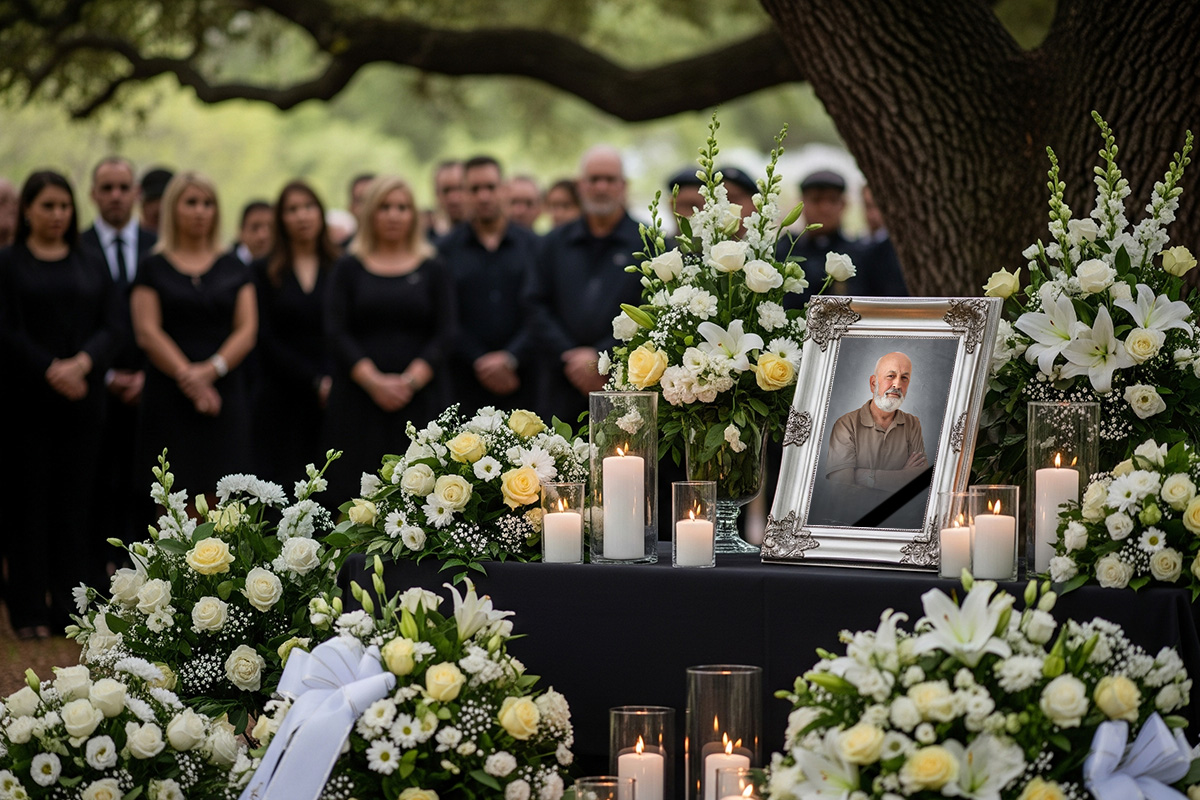
While following the standard script is absolutely perfectly acceptable. Many families feel that they want to reflect the departed’s own life more accurately during the funeral. Creating and displaying funeral portraits of a loved one can help ease the pain and provide a sense of comfort. These portraits don’t just serve as a touching centerpiece for the funeral—they also make a meaningful tribute to the departed in the homes of their loved ones.
It’s worth spending a little time focusing on things like which picture should be used as the funeral portrait. Not only will it act as a distraction during the hardest moments of the healing process, but it can also help provide a sense of closure in the days, weeks, and months after someone’s passing. The portrait isn’t only useful for the funeral itself but can serve as the focal point for a lasting memorial.
After the Funeral
Once the chaos of the immediate aftermath and the funeral have passed, many people find that they feel even more lost than before. This is, again, perfectly normal. During this stage, a grieving person may feel that they’re being left to cope alone and sense the loss even more keenly than before.

Feeling Physical Symptoms
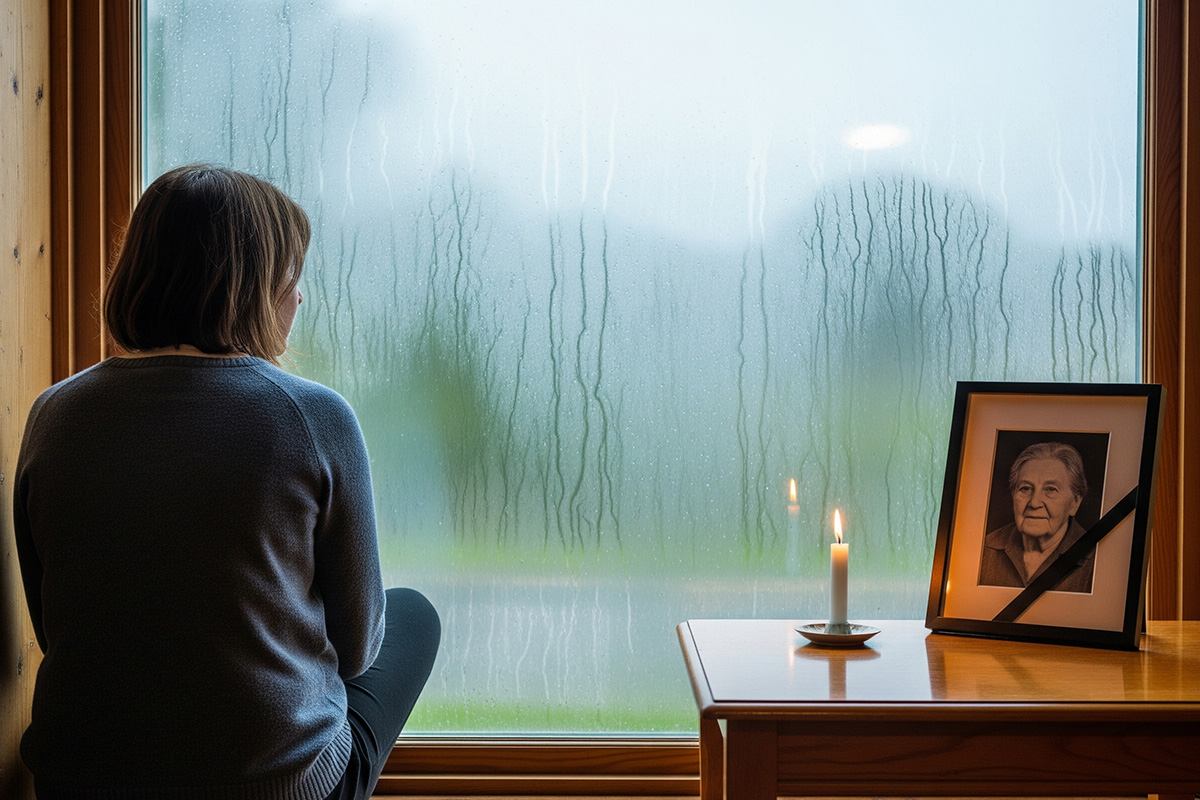
Emotional pain, like that we feel when grieving, can often manifest in physical symptoms. Headaches, nausea, and difficulty sleeping are all common. Speaking to a doctor may help to alleviate these, but it might be more useful to find local support groups.
Support Groups and Daily Meditations
These can be an invaluable source of tools. An additional perspective to help you deal with the pain, especially if it’s manifesting as a psychosomatic symptom.
While grief is never quite the same between two people, support groups can help you navigate these feelings of loss. They might guide you through poignant meditations. Help with day-by-day reflections, and encourage you to focus on the positive memories. Memories with a sense of gratitude rather than grief and loss.
If you don’t feel comfortable turning to strangers, family members and friends will be more than happy to listen. Your grief is not a burden, and they want to help.
Getting Professional Help
In some cases, the sense of loss and pain after a bereavement can lead to such intense feelings that professional help is called for. Working through these emotions with a therapist can provide invaluable insights and techniques. (Such as daily meditations, to help you find your way through this new version of life.)
Helping Others Navigate Grief and Loss
Community, whether it’s friends or family, is a vital part of the healing process after loss. Not only will they help you, but putting time and effort into helping them can be therapeutic in and of itself. Sharing happy memories and telling funny stories about the departed. Crying on each other’s shoulders can help both of you find solace. A portrait or photograph of the departed can act as a good focal point for these conversations, triggering memories and helping you feel as if they are there, joining in with you.
If there are younger people (especially a child) who may be dealing with death for the first time, ensure that you’re putting time and effort into helping them in particular. There are children’s books that can provide a classic guide to helping them navigate these complex emotions surrounding bereavement.
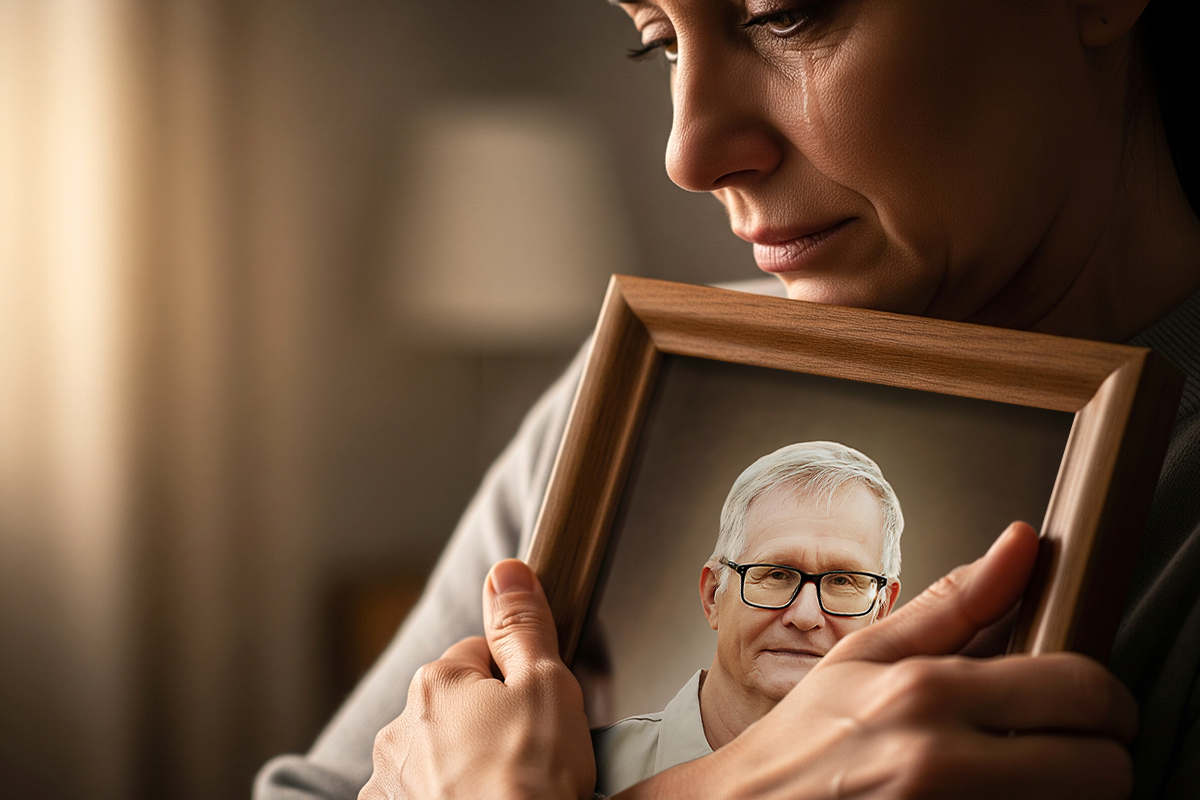
Dealing With Loss Is A Roller Coaster
Healing after loss is rarely, if ever, a straightforward process. Emotions will fluctuate between sadness, anger, and every other point on the spectrum. But you will find a way through it. Eventually, you’ll be able to find solace and rejoice in the life of the departed loved one. And talk about them without the sense of overwhelming grief.

Muhammad Shakeel
1 articlesMuhammad Shakeel is a creative writer who explores themes of memory, healing, and the enduring connections we share with those we’ve lost. Through his reflective writing, he delves into how honoring shared memories can bring comfort and meaning during times of grief.