
Navigating the holidays while grieving can feel impossible. Traditions, lights, and laughter can all remind you of the person you’ve lost, making joy feel out of reach. The holiday season arrives with a clear message: it’s time to be joyful, to gather, to give thanks.
But for many grieving hearts, that message feels almost impossible to meet.
Everywhere you turn, you’re surrounded by laughter, celebration, messages about togetherness, while your world and belonging has collapsed. The separation between you and the world can make this feeling of “being left behind”, sharper than ever.
You’re reminded not only of the person who is missing, but of the version of yourself who once looked forward to this time of year. And while the world still cycles towards joy again this year, you’re trying to learn how to live inside a life where joy is hard to reach everyday, let alone on the holidays.
Why the Holiday Season Feels So Hard
There are a lot of unseen layers behind why the holiday season feels hard:
1. Empty chair
Loss is never just about a person; it’s about the space they held in your world. The way they greeted guests, reached for your hand, or filled the room with a particular kind of energy. Their absence can be so loud. The chair that remains empty this year can be hard to look at. It holds more than absence; it holds love, memory, and the ache of what cannot return.
2. Missing roles and new tension
When someone is gone, so much more disappears than we realize. Their traditions, their responsibilities, their quiet glue that held things together. Suddenly others must decide who takes on what, what gets skipped, and what can’t be done the same way. Even small decisions can feel loaded.. who carves the turkey, who hosts the dinner, exposing how loss reshapes every relationship around it.
3. Expectations of joy and gratitude
Holiday culture sends a clear message: be grateful, stay positive, celebrate life. For a grieving heart, those expectations can feel impossible. When joy doesn’t come easily, guilt often follows. It becomes a private tug-of-war between what the world expects and what your body can hold.
4. Slowed-down time and fewer distractions
The pace of life changes during the holidays. Work slows down, routines pause, and suddenly there’s more space — space for memories, for quiet, for the ache that daily life often keeps at bay. That stillness can bring clarity, but also pain.
5. Disrupted routines and loss of structure
Our nervous system finds comfort in predictability. Travel, guests, and changing routines can unsettle that stability. The body that’s already trying to relearn safety after loss now has to navigate even more change, and that can feel like too much.
6. Social gatherings and emotional effort
Invitations arrive, conversations swirl, and you find yourself calculating how much to share and how much to hide. Do you mention their name when no one else does? Do you smile through small talk that feels unbearable? The pressure to seem composed, to protect others from your pain, can leave you drained long before the night is over.
None of this means you’re failing at grief. It means you’re human. The holidays highlight what’s missing and ask your system to do what it isn’t ready for, to feel joy or at least pretend.. which does not feel authentic or safe.
But here’s the truth: You don’t have to make the holidays meaningful or joyful. You don’t have to try and take on a performance that drains you more.
It’s okay not to find silver linings. It’s okay to not keep up traditions that no longer fit or feel too painful.
Allow yourself a goal of steadiness and self compassion instead of mandatory celebrations. Allowing yourself to move through the days in ways that feel bearable and kind to you.
Here are little things that can help you regain a sense of balance:
Finding support in this season of life is not weakness, it’s wisdom. Find a grief informed professional that can help you with nervous system regulation and allows you to move through grief with balance and steadiness
- Lead with safety, not obligation
Before saying yes to plans or invitations, pause and notice how your body feels. If something brings a sense of calm or warmth, it might be safe to engage. If it tightens your chest or fills you with dread, permission to decline. Your nervous system is still learning what safety feels like again, honor that.
3. Create moments of grounding
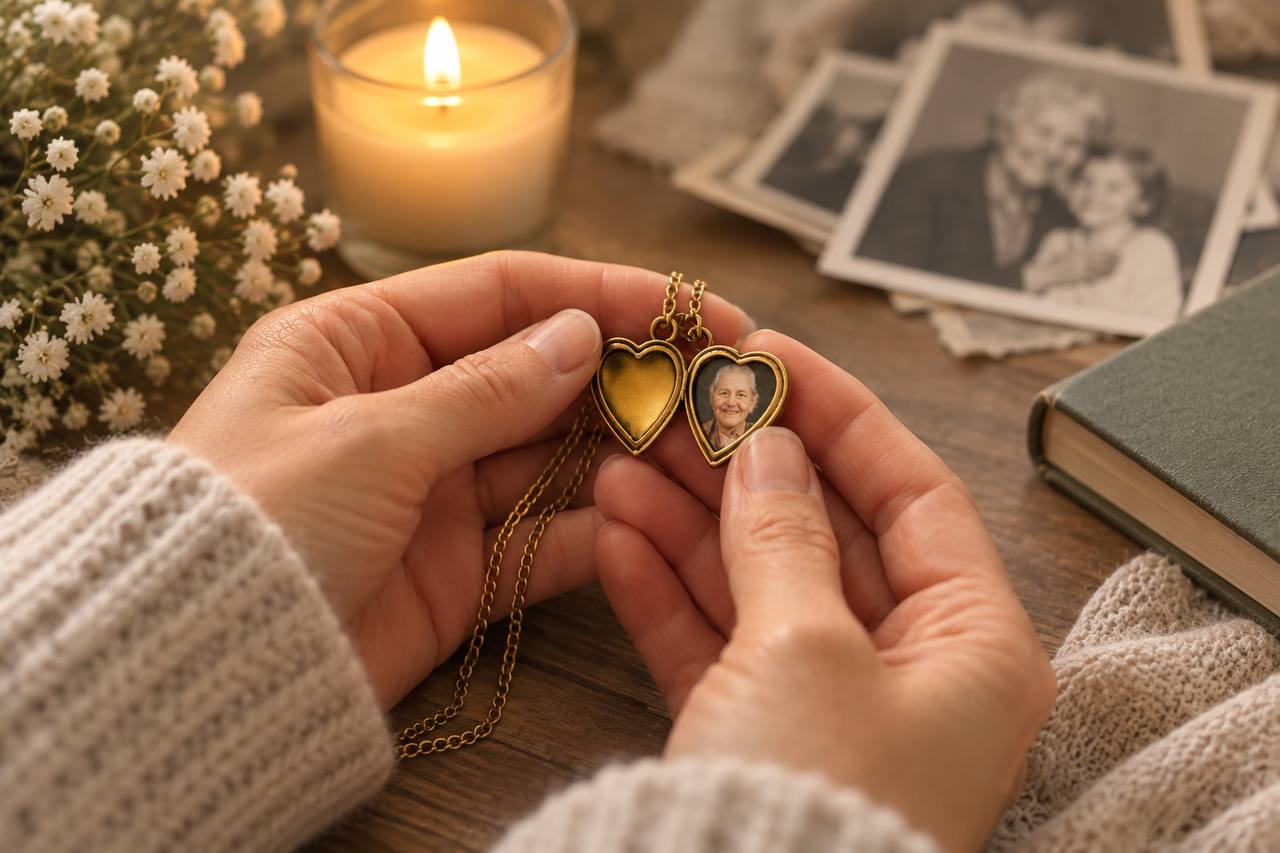
Small, physical cues can help your body regulate through the intensity of the season. Step outside for fresh air, light a candle in their honor, or hold something that connects you to them. These aren’t fixes; they’re anchors that remind your body it can return to steadiness.
4. Redefine what connection means
Connection doesn’t have to look like large gatherings. It can mean coffee with someone who understands, a quiet message to a friend, or simply being present with your own memories. Choose depth over quantity.
5. Let traditions evolve
It’s okay to change what no longer fits or brings too much pain. You might skip certain rituals, simplify meals, or start something new that feels more aligned with where you are now. Grief reshapes life; your traditions are allowed to change too.
6. Make room for both love and pain
Some moments will feel unexpectedly tender like a laugh that surprises you, a quiet sense of gratitude, a flicker of warmth. Let them in without guilt. Joy does not erase grief. It shows that love is still alive in you.
There is no right way to grieve during the holidays. There is only the way that helps your body and heart feel safe enough to keep breathing through what this season brings.
Follow @transforming.through.grief for free daily tips and guidance on how to navigate grief.

Shri
2 articlesI’m Shri. I’m a certified grief & trauma coach, trained in nervous system healing and a fellow griever. I healed and reclaimed joy, not by forgetting, but by learning how to live with the love and the loss, side by side. I know how disorienting and lonely grief can be, especially when the person you lost felt like home. That’s why I became a grief coach.