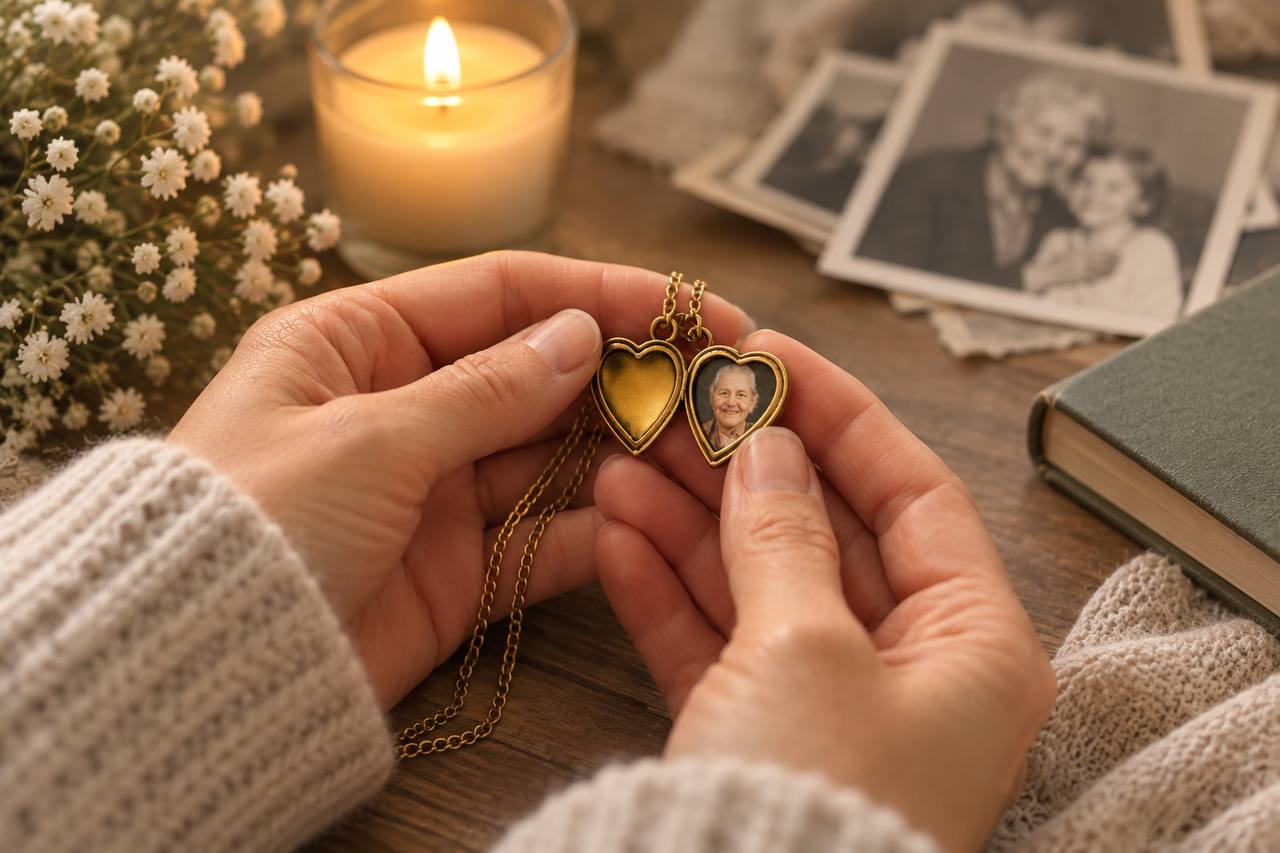

Grief births its own language—not the kind we find in books or learn in classrooms. It is a dialect etched into the marrow of those who have walked its desolate roads. No one can teach this language; it has no formal grammar, no standardized vocabulary. It uses silence and signs. It speaks in shadows and echoes, in the weight of an empty chair, in the way our hands still reach for the phone before we remember there is no one to answer.
Why Comfort Often Misses the Mark
When loss first strikes, the world tries to comfort us in its own language: “I am sorry for your loss,” “They are in a better place,” “Time heals.” These phrases, however well-intentioned, feel like clumsy translations of a text written in an alien script. They fail to capture the seismic shift in our universe—the way the air itself feels thinner, colder, irrevocably changed without our loved ones. This is the moment we realize that grief demands its own vocabulary, one born not of intellect, but of visceral, cellular knowing.
This is why those who have not endured profound loss often struggle to understand. They try to translate our grief back into their own, offering solutions or platitudes when what we need is witness. They speak the language of fixing, of moving on, of getting over. We speak the language of enduring, of aching, of integrating a cataclysm.
The Unspoken Bond Between Grievers
But grievers—those who have lost someone central, irreplaceable—speak this language too. We recognize one another in crowded rooms, in fleeting glances, in the weight of a single unspoken word. There is no need to explain the crushing weight of an anniversary or the irrational anger at seeing strangers laugh. We understand the complex guilt that comes with a moment of unexpected joy.
They don’t try to fix our grief—they know they can’t. Instead, they sit beside us in the silence. They offer presence, knowing it’s the most sacred form of understanding. And more importantly, they speak the dialect fluently.
A Language Felt, Not Spoken
We don’t speak the language of grief in sentences—we speak it through sensations. It’s the mother tongue of the broken-hearted—a lexicon we write in tears, whisper in memories, and shout into the void. This common language forms in the crucible of sorrow. It grows from our sadness, our pain, and our struggles. A dialect that crosses every barrier—culture, religion, geography.
Finding Belonging Through Shared Loss
In the company of fellow mourners, we don’t need to explain ourselves. But we find understanding. We feel empathy. We experience a sense of belonging that helps soothe the ache of our loss.
The Dialect of Enduring Love
Ultimately, grief’s secret language is the dialect of enduring love—one woven with threads of cherished memories, shared moments, and everlasting affection for our lost ones. It’s a language that continues to speak, even in the silence of their absence. And though the road may be long and arduous, so too is the love.
You Are Not Alone
To those who speak this language, please know: your stuttered sentences, your heavy silences, your raw cries—they are not incoherent, but the poetry of a love that refuses to be silenced by loss. Your grief language, however painful, is a testament to the depth of what you held—and what still holds you.
So, speak your truth, however broken the words may feel. Those of us who understand the dialect are listening. It is through this community that we find a glimmer of the only solace that truly resonates:
You are not alone in this silent, screaming land—because we speak the same heartbreaking, love-affirming tongue.
Please join me on my grief journey by visiting my website or following me on my Instagram

Furong Xing Naghten
2 articlesI am Furong Xing Naghten, who loves passionately and grieves intensely, I am not a professional or an expert on grief and loss, I am not a writer or an author, I am just an ordinary daughter, who writes and shares my personal grief journey, with the hope that it might comfort, help or inspire others on their own journey. I have inevitably discovered that people avoid talking about grief, and the elephant in the room that is shaped like pain, as it made me feel like no one understands what I have been endured, that is what brought me to writing, after the unexpected and sudden loss of my darling Mum, and I write through my heartache by pouring my pain into pages, I not only found my voice and my truth, but also writing my sorrow down and sharing my stories, is the only way that helped me to survive this impossible loss.