Sooner or later we all face grief in our lives. Grief shows up unplanned, unwelcome, uninvited and we
don’t know how long it will be around.
Grief takes on many forms, and there are many different ways to grieve after a loss – death, illness, divorce, pet loss, and so much more. When I first meet with a client one of the things frequently said to me is, “I don’t even know if I’m doing grief right.”
I usually ask, “What makes you feel like you’re doing it wrong?”
Most of the time, what people are really describing is how disorienting grief feels. The nervous system
is overwhelmed, emotions don’t feel predictable, and life can feel like it’s moving through a fog. In that
space, it makes sense that someone would question whether they’re “doing it right.”
Why Grief Feels So Confusing
When laughter or moments of joy show up while grieving, people immediately think, “I’m not
supposed to be happy right now.”
It can feel strange, almost like something inside doesn’t match what’s happening on the outside. In
those moments, people often question whether their reaction is appropriate or if it means they’re
somehow grieving incorrectly. That feeling isn’t wrong.
There Is No Right or Wrong Way to Grieve
What often comes next is guilt or shame for having those emotions at all.
Guilt can be heavy and multilayered. There can be guilt for going on with your life, guilt over things
you wish you had changed, or guilt over moments where grief loosens its grip. The list can go on and
on.
How did you learn how to grieve? Was it from a movie? Did you watch how others reacted to grief?
Was grief simply hidden and not spoken of? Maybe you thought that grief was supposed to look a
certain way, sound a certain way, or last a certain amount of time.
Why Everyone Grieves Differently
Whatever your assumptions were about grief, it can feel very different once you’re actually in the
midst of it. For example, if three siblings lose their parent, grief will likely look different for each of
them. One may cry openly, another may become quiet and withdrawn, while someone else tries to
stay busy and focused on daily life.
It’s common to compare grief responses, both in ourselves and in others. Why aren’t I crying more?
Why do they cry so much? Why does it seem like everyone else knows how to do this better than I
do? Comparing grief isn’t productive, your way is the best way to grieve.
The Emotional Rollercoaster of Grief
Grief is like that — a complete mixed bag of emotions. One minute you can be shopping, only to find
yourself wiping away tears while looking at a display of takeout boxes. I’ve been there and done that.
Grief can find you dancing one moment, then sobbing the next. It can find you trying to force a smile
when you don’t want to, feeling anger for no clear reason, or carrying guilt over all of the should
haves.
There are ugly parts of grief that people don’t want to discuss, maybe because they want to appear
fine. But the truth is, grief sucks. Your love for someone cannot be measured by how much you suffer,
how busy you stay or how many tears you cry.
Grief Is Messy Because Love Is Real
When I think about the rollercoaster of grief, one of my favorite movies, Elizabethtown, comes to
mind. There’s a scene at the end where a memorial service is taking place, and the wife gets on
stage and talks about everything she went through after learning about her husband’s death. It turns
into a whirlwind of unexpected, even humorous moments that feel strangely relatable.
Grief is messy, and you never quite know where it will take you.
Your love is real. Your pain is real. Grief is love with no place to go.
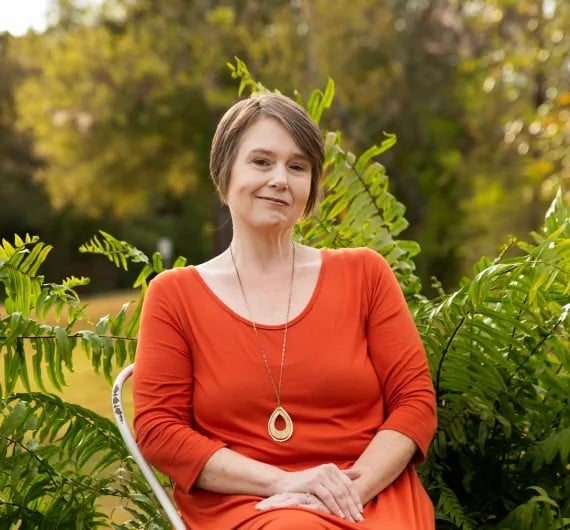
Jennifer Sanders
1 articlesJennifer Sanders is a Certified Grief Educator and coach who supports individuals navigating loss, life transitions, and the complicated emotions that often come with grief. She creates compassionate, judgment-free spaces where people can feel seen, heard, and supported through life’s most difficult moments. In addition to one-on-one support, Jennifer creates grief workbooks, reflective guides, and practical resources designed to help people move through grief at their own pace. Her approach is holistic, client-centered, and grounded in the belief that there is no “right” way to grieve. When she’s not writing or supporting clients, Jennifer enjoys gardening, camping, spending time with her family and her cats