
Sometimes grief does not just change how you feel. It changes the way you understand time itself. There is a moment when life stops being measured by ordinary dates and starts being divided by one event: what came before, and everything that came after.
Before and After Loss
An event changes how we measure time. Without deciding to, we start using before and after to mark the moment that altered our life so drastically.
We stop saying last year and start saying before it happened, after it happened. Some experiences split life into two distinct chapters.
Before and After.
We do not sit down and choose to divide our lives this way. It happens on its own, underneath our thinking, on a level we do not choose.
The event is so big that it lives in our bodies before it ever fully reaches our minds.
Before and after becomes the only way the mind can make sense of something that otherwise makes no sense at all.
The Life We Expected Before Loss
Before this happened to me, life had a certain shape to it. Like most of us, I had an idea of how things were supposed to go.
We build our lives around an expectation, whatever that means to each of us, and we live inside it without ever really questioning it.
We carry a quiet belief about how life is going to happen. That belief becomes our normal, the shape we measure everything else against, until it is not.
When Trauma Changes the Meaning of Before and After
This is not only true for bereaved parents.
Anyone who lives with trauma knows this way of marking time. The event itself can be many things, an illness, an accident, a loss, a war. What matters is that it altered your life completely, without your permission, and there is no going back to the time before.
The world as you knew it has changed, and you are left standing in a different one you never agreed to enter.
For Bereaved Parents, Life Is Divided by Loss
For bereaved parents, before and after are not just words. They are how we understand a life that no longer feels recognizable.
Before my son, Stefan was diagnosed with cancer, our normal was ordinary, unremarkable, the kind of life you do not notice until it is gone. Then, after meant tests, treatments, and long stays in hospital rooms. It meant bracing myself every time a symptom appeared, every time the phone rang, wondering, is this the time that takes him. That fear lived in me for eleven years and never fully left. Hope and fear became my normal.
When Before and After Changes Again
Then time split again. Before he died. After he died.
The after did not ask permission. One day I was counting years since his diagnosis. The next I was counting days since he was gone. I forgot dates I once knew by heart. What replaced them was not a calendar. It was before and after, and nothing in between.
Learning to Live With Grief, Not Move On
On a recent episode on my videocast, Walking with Grief, my guest and I talked about why bereaved parents describe life this way, and about the invisible weight certain days still carry, long after the funeral is over.
This is not a conversation about moving on. I do not believe in moving on, and I do not think most bereaved parents do either. It is a conversation about learning to live with love that has nowhere left to go, while still honouring the bond we share with our child.
Stefan is still my son. The eleven challenging years are mine to carry. The after does not erase the before. It carries it forward, changed.
If You Are Living in Your Own After
If you are living in your own after, I hope you find comfort in this: your experience is seen, your grief is understood in a way that someone who has walked this path knows and you do not have to carry it alone.
Thank you for allowing me to walk alongside you.
If you’d like to know more about me and my work, you can visit my website here.
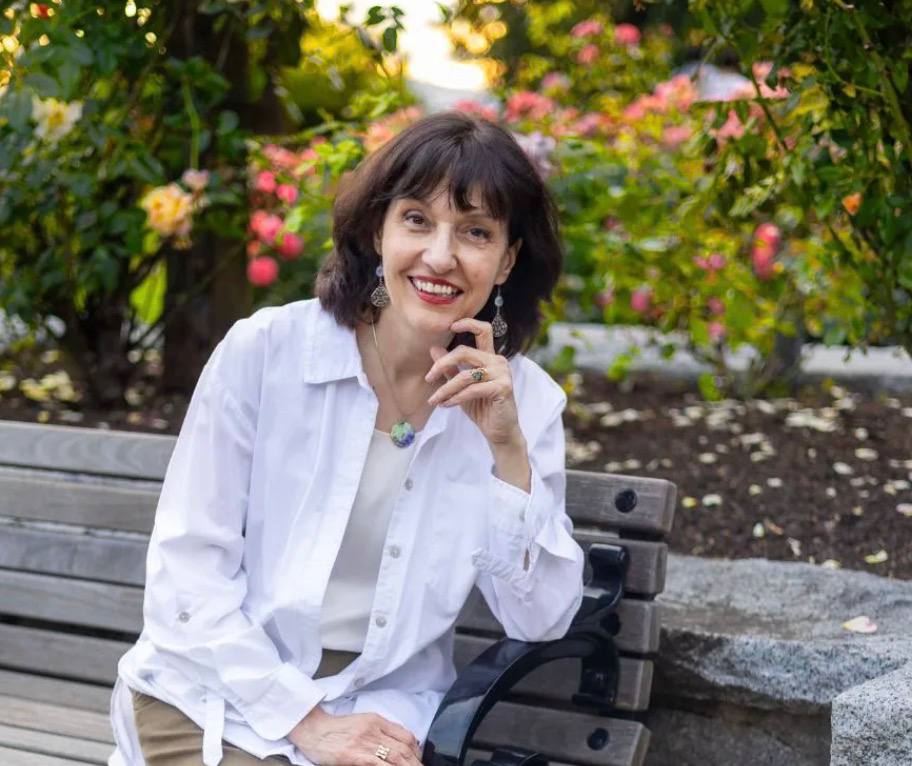
Maria Belanic
1 articlesMaria Belanic is a bereaved mother, certified grief educator, and speaker. Following the death of her son, her mission is to support grieving parents by creating spaces where grief is acknowledged rather than rushed. She offers people permission to "carry love and loss in one breath" and find moments of exhale within their grief journey.