

“Functioning doesn’t mean you are not suffering.”
Why do we wait until suffering becomes impossible to ignore before we change what we’re asking of the person carrying it? For many people, functioning while struggling becomes a way of life – one that can make their suffering almost invisible.
When Does Suffering Become “Legitimate”?
There seems to be a point where suffering finally becomes legitimate.
A point where people stop expecting you to push through it.
A point where the appointments become important enough, the pain becomes visible enough, the test becomes abnormal enough, or the situation becomes serious enough that suddenly everyone agrees:
Something has to change.
I don’t know exactly where the line is.
But I know what it feels like to live on the wrong side of it.
And before I go any further, bear with me through two short examples.
One is mine.
One is my husband’s.
I’m not telling you either story because this article is about us.
I’m telling you because sometimes you have to see what this looks like inside an actual life before you realize how fucked up the expectation really is.
And yes, I may get a little feisty here…
Because this one is still hitting close to home.
Being dismissed didn’t just affect our health. It changed the quality of our lives.
Financially.
Relationally.
As a family.
Inside our own home.
That’s the part people miss.
Suffering Has a Radius
Suffering has a radius.
And I think part of the reason we let that radius grow is that we are much better at recognizing some kinds of suffering than others.
When something happens to the body that nobody can argue with, we understand that life may have to change.
Major surgery.
A broken bone.
Cancer treatment.
A serious injury.
Suddenly, rest isn’t something you have to earn.
Work changes.
Responsibilities move.
Someone else makes dinner.
Appointments take priority.
Expectations get lowered.
Nobody hands someone recovering from major surgery a treatment plan and says:
Good luck. Try to fit this in around everything you were already doing.
We understand that sometimes healing requires different conditions.
Until the suffering becomes harder to prove.
Then apparently, you have to look sick enough, test sick enough, or deteriorate enough before anyone believes the conditions around you should change.
And that is where I have a problem.
“Sick. Just Not Sick Enough Yet.”
While finally healing from my eating disorder, I became sick with digestive issues every day.
I went to doctor after doctor.
No one could find an explanation—at least not with the testing being done.
Eventually, the message became that unless I deteriorated enough, there wasn’t much they could do.
In other words: I was sick. Just not sick enough yet.
I remember thinking:
Nothing you can do… fine. Watch me find an answer.
Because that is how I respond when someone tells me there is nowhere else to go.
But underneath the fight, I was terrified.
Did I damage myself too much?
Am I going to feel like this forever?
What the hell did I do to myself?
I was finally fighting my way out of one illness while waking up every day inside a body that still felt sick.
And then I watched my husband go through his own version of it.
Years ago, he began experiencing physical symptoms no one could explain.
Something was wrong.
He knew it.
I knew it.
But the tests kept saying he was fine.
The problem was, he wasn’t.
And when the usual answers didn’t explain what was happening, the response felt more like there’s nothing here than what are we missing?
After hearing some version of everything looks good enough times, he started questioning the one thing he had been sure of:
himself.
Maybe it was in his head.
Perhaps he was making too much of it.
Maybe he should just push through.
So he did.
He learned to live around it.
To ignore what he could.
To keep going.
Until something changed.
What he had learned to live around became impossible to ignore.
That was when I started digging.
We didn’t have endless money, endless time, or some huge support system behind us.
But he had me.
And I kept asking the question I wish someone had asked years earlier:
What are we missing?
Eventually, those old symptoms began to make sense when we discovered he had Lyme disease.
But by then, we weren’t trying to understand a handful of unexplained symptoms anymore.
We were trying to understand what had happened after years of living around something that had never actually gone away.
When “Everything Looks Fine” Is not the Same as Being Fine
Because everything looks fine doesn’t make the problem disappear.
It teaches the person carrying it how to keep going until they can’t.
That is where this becomes much bigger than either of us.
Because so many people live somewhere in that space.
And most of them look fine.
That may be the problem.
Some suffering announces itself.
Some doesn’t.
Fatigue can get dressed.
Chronic pain can go to work.
Migraines can disappear behind a closed door.
Dizziness can be hidden.
Digestive problems can be managed privately.
Symptoms can come and go just enough to make someone question how bad they really are.
And emotional suffering can hide just as well.
Trauma can hold a job.
Grief can make dinner.
Anxiety can answer an email.
Depression can laugh.
Someone in recovery can look completely put together while barely holding the line inside.
Someone can carry years of unresolved pain and still be the person everybody else depends on.
When “You Look Fine” Becomes Something You Tell Yourself
That is the problem with you look fine.
Eventually, it stops being something other people think.
You start using it against yourself.
I’m still working.
I’m still parenting.
I got through yesterday.
Nobody can find anything.
Nobody else seems to think I need to stop.
Maybe I don’t.
Perhaps everyone is this tired.
Maybe I’m being dramatic.
Maybe I should push through.
And what are you supposed to do anyway?
Life didn’t stop because your tests were normal.
The mortgage didn’t disappear because nobody could explain the fatigue.
Your children didn’t stop needing you because you barely slept.
Work didn’t cancel itself because your anxiety was through the roof.
Nobody cleared your calendar because something inside you felt wrong.
So you keep going.
You work around it.
You compensate.
Cancel one thing so you can make it through another.
You lie down for twenty minutes and get back up.
You become incredibly good at calculating exactly how much more you can carry.
And because you keep carrying it, everyone keeps assuming you can.
Including you.
Stay connected for part 2. Read more of my stories here.
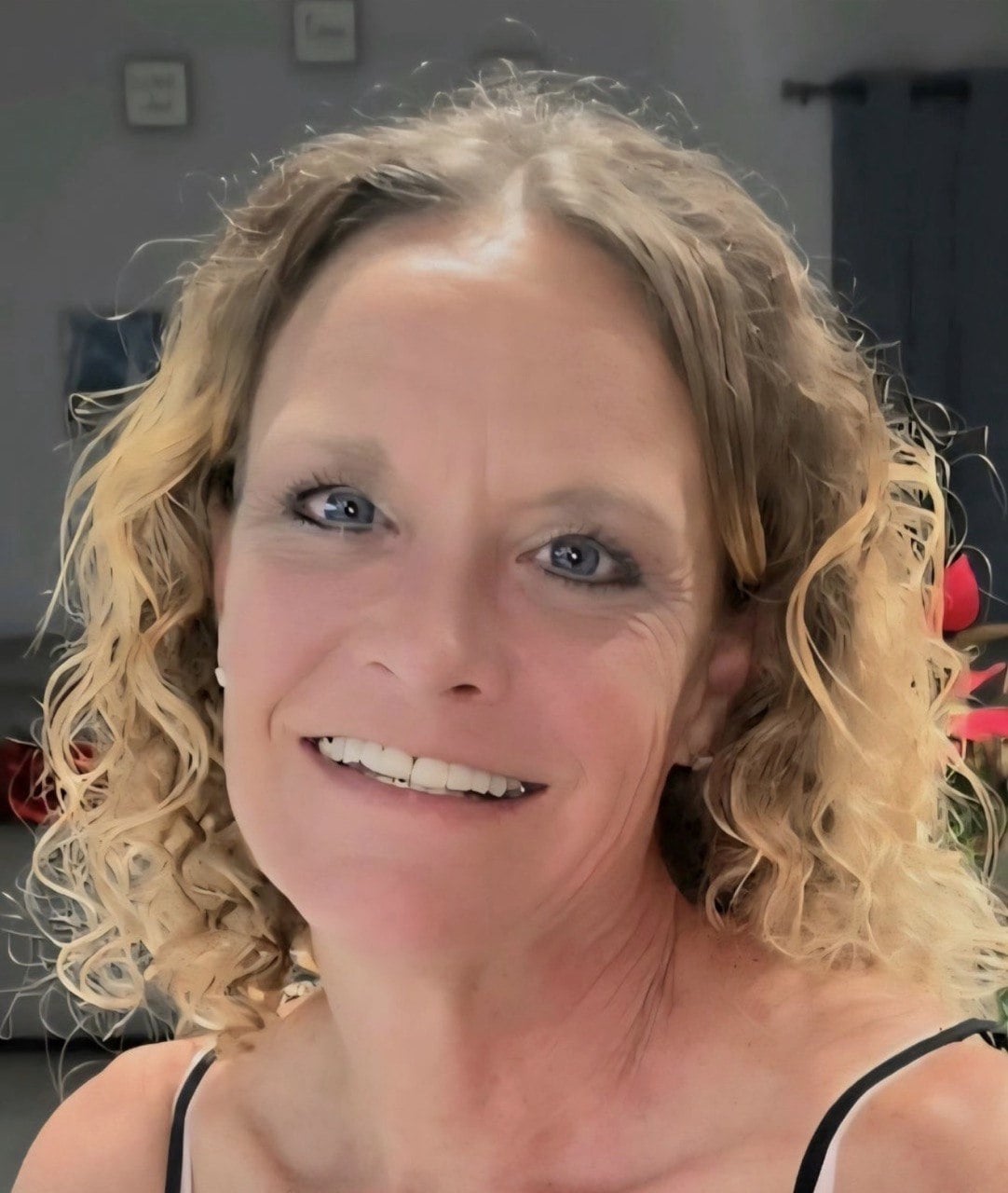
Dawn Dufresne
3 articlesAfter spending years in survival mode, Dawn Dufresne created Rebuilt From the Inside Out to explore what it means to heal, rebuild, and truly live again. Drawing from her lived experience with trauma, addiction, recovery, and personal transformation, she writes about the messy middle of healing and the journey back to yourself. Through writing, digital resources, supportive one-on-one conversations, she helps others move beyond survival and create lives that feel authentic, connected, and meaningful.